

A recent sermon at church got me started thinking about all the miracles we don’t see—sometimes because we’re not paying attention, but often because we just don’t know enough to know what they are.
When I was a kid, my parents were both public school teachers. Because of that, my three brothers and I and my parents all had our summers off. I remember a lot of playing with the neighborhood kids, running through sprinklers, chasing down the ice-cream truck, and riding our bikes along the paths we carved through the patches of woods in our neighborhood, now long gone.
One summer—I think I might have been 10 or 11—my father’s plan was to take classes at a state college an hour north of us, working toward earning his master’s degree. I’m not sure what happened to change his mind—maybe it was sitting in North Jersey traffic in the blazing heat with no air conditioning. But one day he turned around, came home, and told my mother to start packing the trailer. We were going camping.
At the time we had a 15-food Scotty trailer, the little turquoise and white ones with speckled paint inside that came off on your clothes if you rubbed the wall too hard. This happened often with six of us in our tiny home-on-wheels. We pulled the trailer with a Pontiac station wagon, the kind with a transmission that overheated if you sneezed wrong.
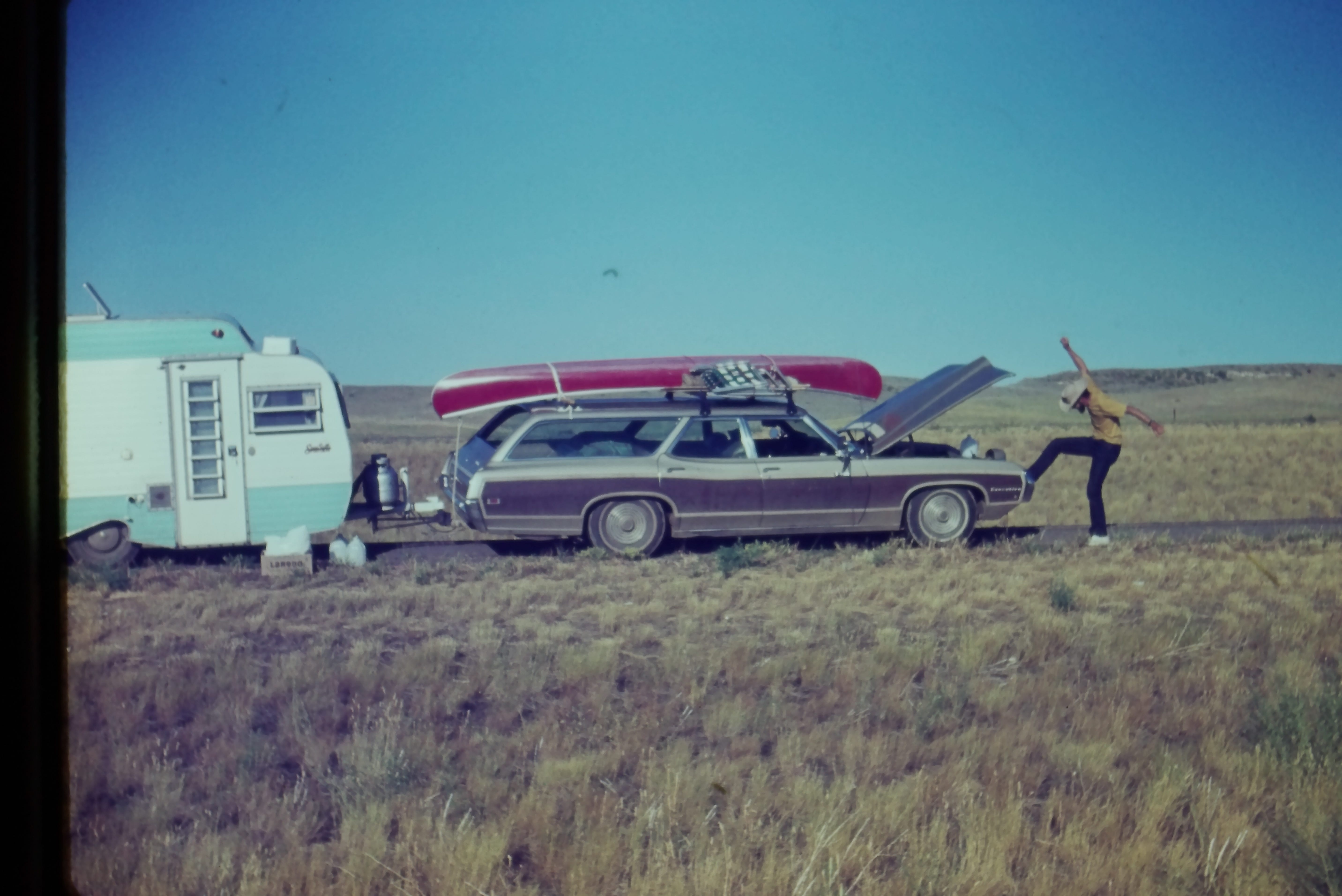
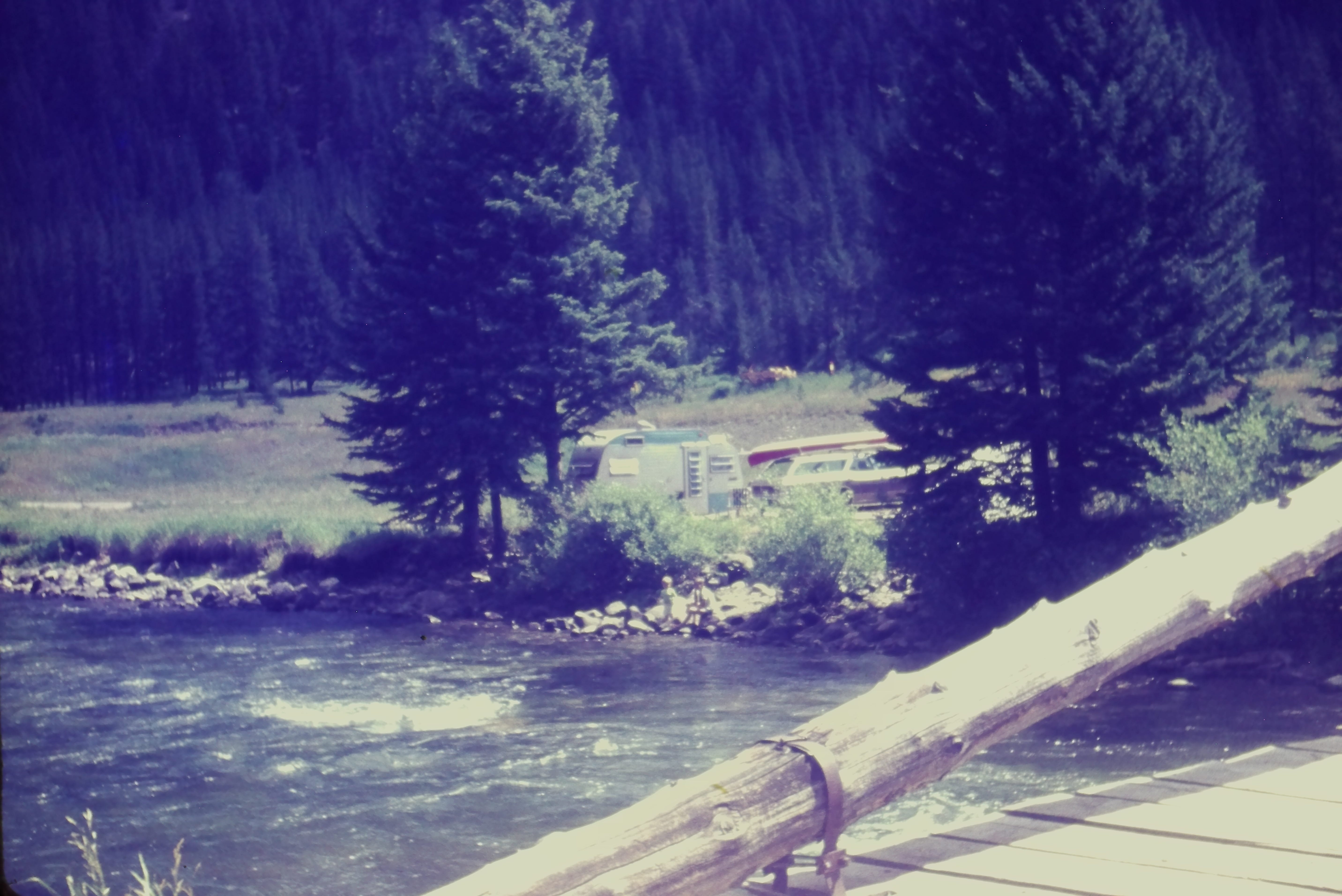
The back seat would fold down and make an area long enough for me to stretch out and sleep, and my two older brothers slept in an old Army-issue canvas tent that did not close at the bottom. I was glad to be safe from wildlife at least. Mommy and Daddy and baby Tommy slept in the trailer. We tied a red fiberglass canoe on top of the car and off we went.
Keep in mind this was in the early 1970s, long before the 55-mph-to-save-gas laws were in effect. In fact, I remember gas being 23 cents a gallon. It was also long before any kind of seat belt or child restraint systems were mandatory. Those were the days of your mother throwing her arm across your chest so you wouldn’t go flying if she had to stop fast.
But baby Tommy did have a car seat. At the ripe old age of 1 year and a few months, he had a little throne on the front bench seat between my parents in which he sat up straight and had a foam-padded bar in front of him. I’m not sure the padded bar was so much about safety as it was to have a place to put his hands and attach the clip-on play steering wheel. If he got tired of sitting there, he could slide right out the bottom, but no one was thinking about that back then. If he got sick of the whole thing, it was easy to throw it in the back of the car and just let him stand. On the front seat. While we were driving 75 miles an hour across the country. It is truly a miracle we all survived, especially Tommy.
Every year we began our trip by driving to Cleveland to visit my grandparents. This was a highlight because they had a built-in pool and because my Jewish grandfather would take us to Lax & Mandel, the best bakery in northeast Ohio. He would order a sticky pecan loaf, Russian tea biscuits, challah that made the best toast, bagels, and a huge box of rugelach. I have a recipe for rugelach, and while they’re delicious, nothing compares the ones we got at Lax & Mandel. If you were lucky and they weren’t too busy, one of the ladies from behind the counter would scoop up a handful of them and fill the front of your shirt held out like a basket, just because you were a kid and that made you worthy of this incredible gift. Those little ladies were pastry fairies, throwing rolled-up delights hither and yon. Then you had to figure out how to let go of your shirt with one hand so you could stuff your mouth full of flaky, buttery, cinnamon-and-brown-sugar-and-walnut goodness and Poppa would laugh at your dilemma. Good times.
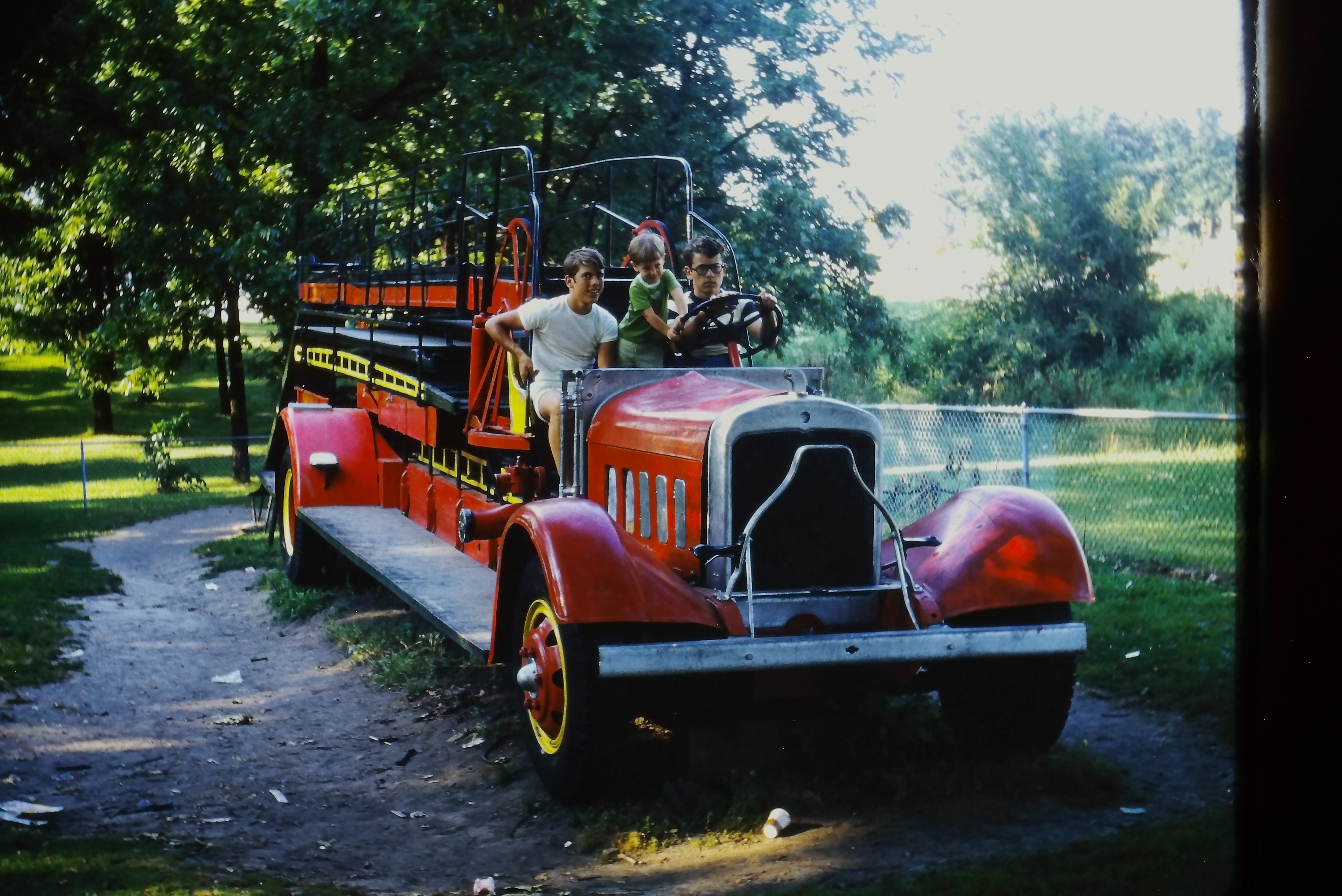
After a few days (and pounds) in Cleveland, our next stop was Elgin, Illinois. I have no idea how my parents found this place, but there was a park where we could camp for the night that had an old fire engine just for kids to climb on. We loved it.
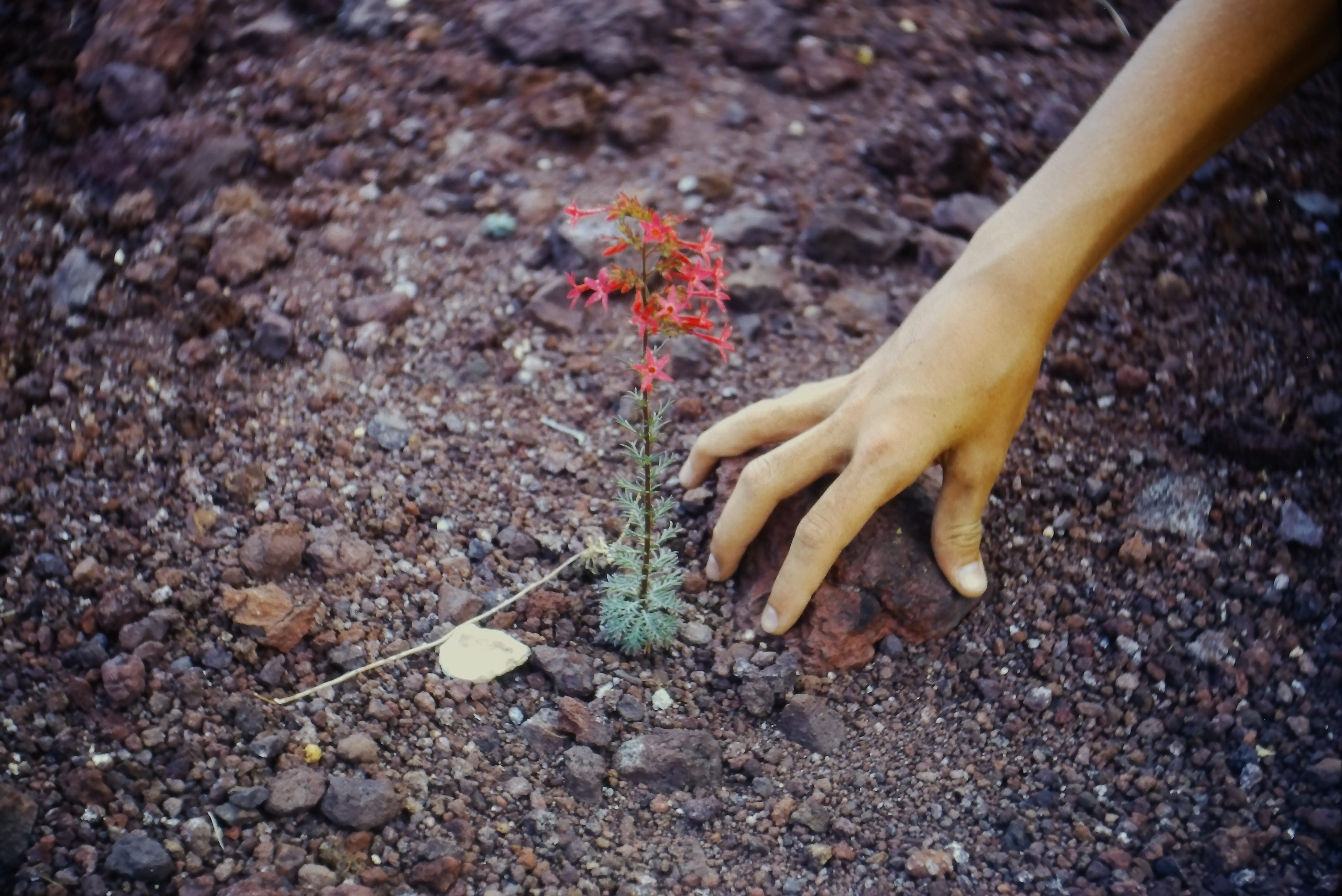
After that, the itinerary changed every year. One year we would go across the northern part of the country, through the Dakotas and into Montana. We would roam the Beartooth Highway, my father would take pictures of wildflowers, and my mother would cry because it was all just so beautiful and wild.
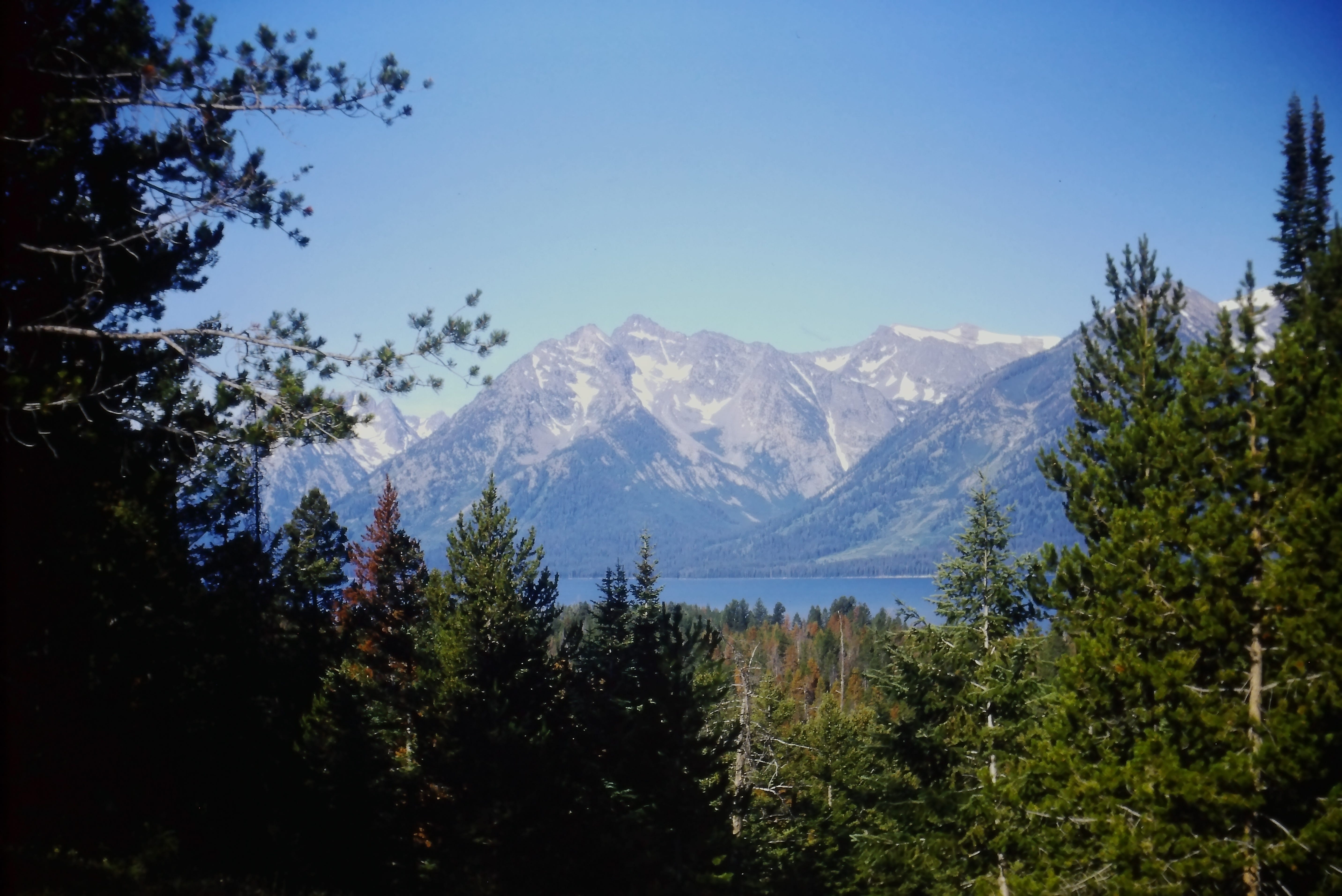
Another year we went south through New Mexico and Arizona, stopping at the Grand Canyon, and spending a few days in Flagstaff at a small hospital where they thought baby Tommy had pinworms. Turns out he was in the car too long and the doctors told my parents to get him out and run him.
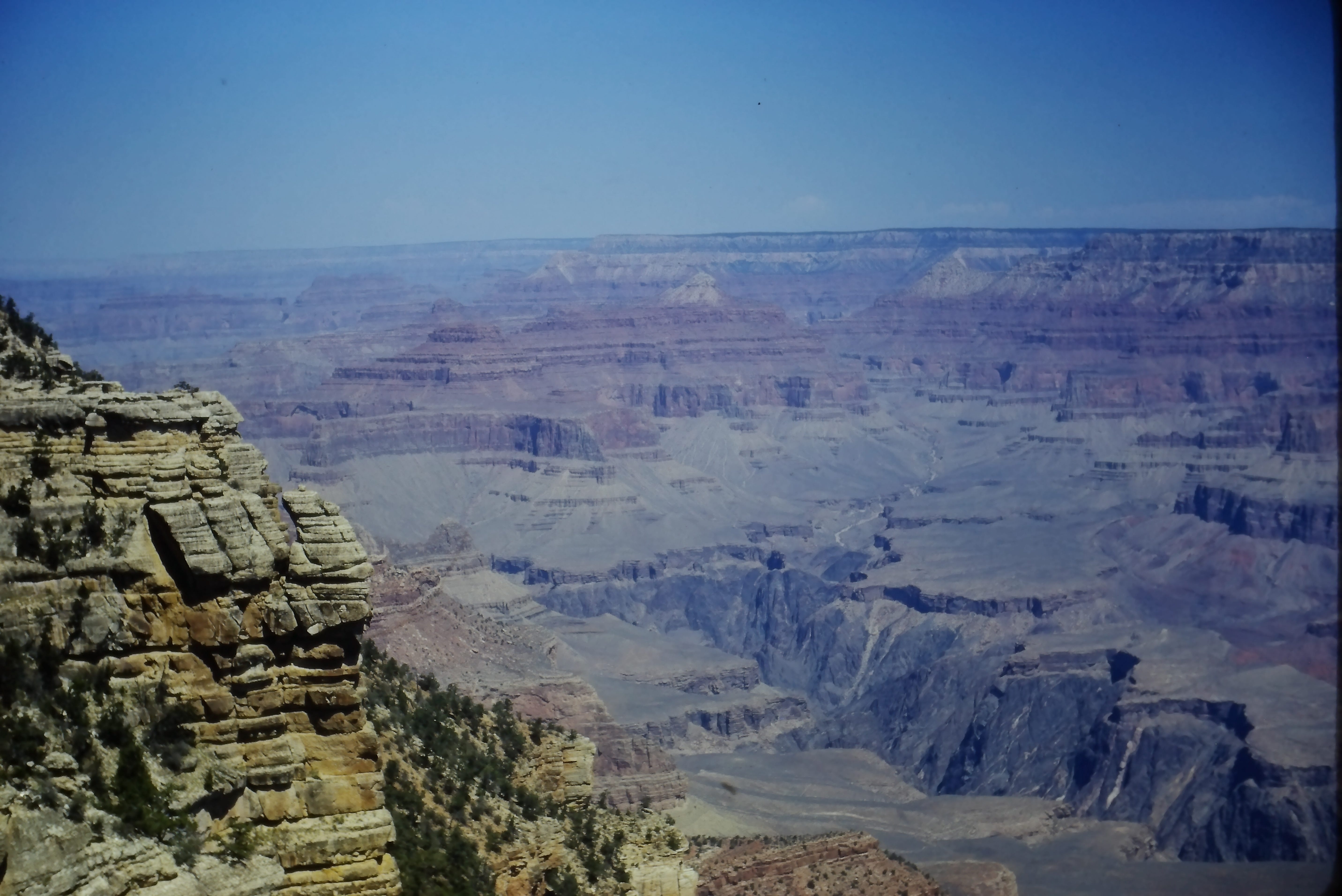
After that our pace slowed and we meandered up through Colorado and Wyoming, spending a good deal of time in Yellowstone and the Tetons. We would stop and see the touristy things—Old Faithful and Grand Teton—but we preferred the out-of-the-way spots.
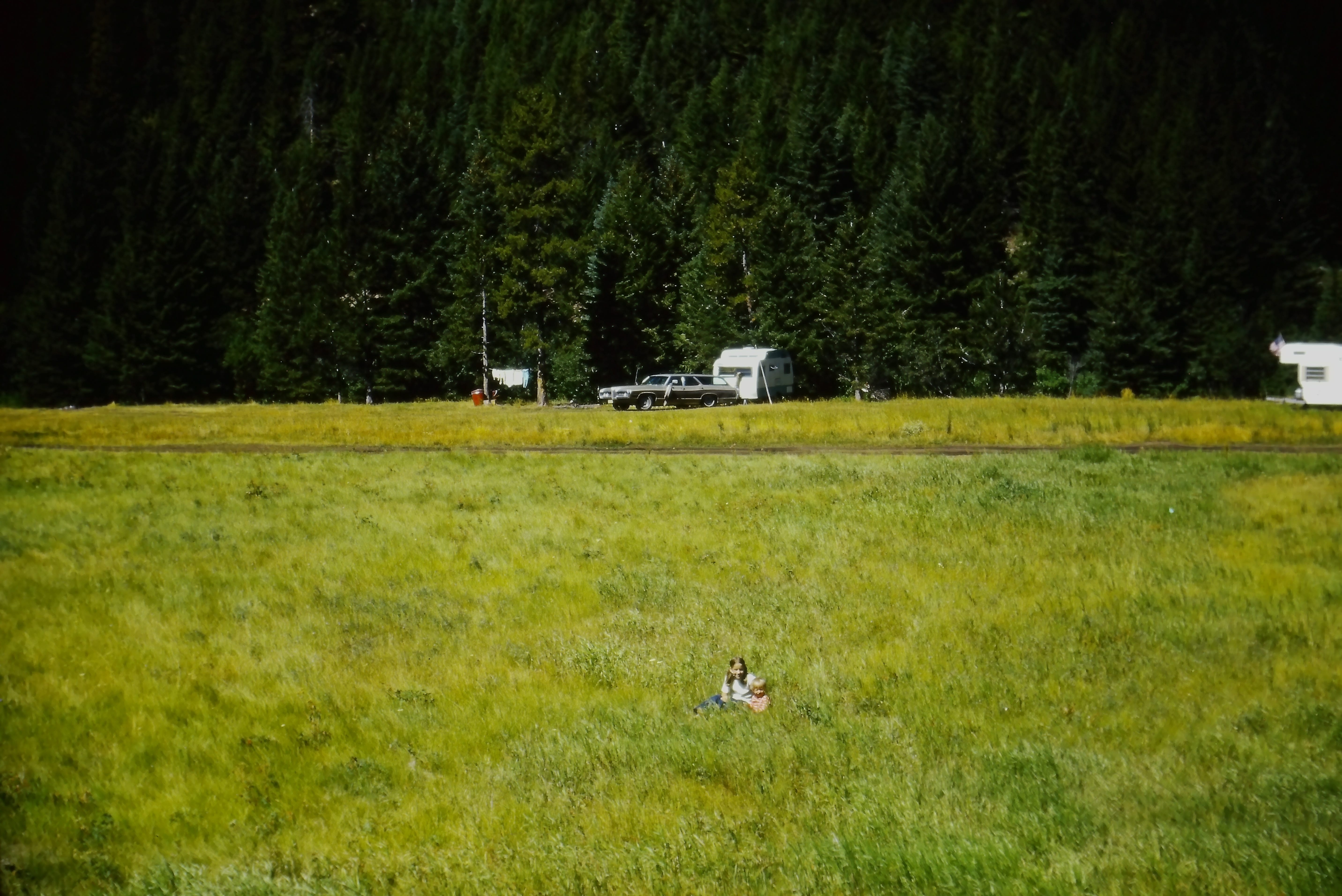
One of our favorites was a place called Moose Flat Campground along the Greys River, which, at the time, had no marked camping spots. It was just a big field along the river that may or may not be mowed twice a year, but there were two pit toilets and a hand pump with potable water. We could pull up right along the river and stay as long as we wanted. Occasionally a ranger would come through and collect the $2-a-day camping fee. That was where my brothers caught grasshoppers and put them on my hook for me, and Daddy taught me how to clean my own fish. The river water was so cold I could feel the oil on my hands freeze and crack.
But none of that is what got me on this train of thought. As the preachers say, all that was introduction.
What sent me down this road was a message I heard recently from Luke 19. Unsurprisingly, it was about Palm Sunday, the day Jesus rode into Jerusalem on a donkey, which was prophesied in Zechariah 9:9.
The passage in Luke says this:
And it came to pass, when he [Jesus] was come nigh to Bethphage and Bethany, at the mount called the mount of Olives, he sent two of his disciples,
Saying, Go ye into the village over against you; in the which at your entering ye shall find a colt tied, whereon yet never man sat: loose him, and bring him hither.
And if any man ask you, Why do ye loose him? thus shall ye say unto him, Because the Lord hath need of him.
Jesus sent two of his disciples into a village to fetch a donkey for him. It wasn’t like he couldn’t walk the two or three miles to Jerusalem. He was a professional walker.
It was because this was prophesied, and the Son of God would fulfill every single prophesy about himself while he was on earth to prove he was who he said he was. Long before Jesus was born, Zechariah wrote,
Rejoice greatly, O daughter of Zion; shout, O daughter of Jerusalem: behold, thy King cometh unto thee: he is just, and having salvation; lowly, and riding upon an ass, and upon a colt the foal of an ass.
So it had to be “the foal of an ass.” A young donkey. A colt.
But Jesus was even more specific in his instructions to his disciples:
ye shall find a colt tied, whereon yet never man sat . . .
A colt meant it was young, but more particularly, one that no one had ever ridden before.
Did he think he was too good to ride on a used animal? Not at all. I believe it was so he could perform another miracle.
One of the years we were out west, we (for reasons long forgotten) wound up at a certain ranch. None of us remember the name of it or where it was or why we were there. But we were just in time to watch a bunch of cowboys trying to break a “foal of an ass”—a young donkey “whereon yet never man sat.”
It was a hot, sunny day and I remember climbing up on the first rung of the corral fence and watching with great interest over the top rail.
The donkey had a rope bridle on with a lead clipped to it, held by one man. Another man approached carefully with a set of saddlebags filled with rocks. They had to get the animal used to having something on its back before a human could climb aboard. As gently as possible so as not to startle the young donkey, the guy slowly laid the bags across its back and in an instant that animal was kicking and bucking, saddlebags flung to the far reaches of the dusty corral, the man holding the lead just hanging on for dear life.
There was a good bit of laughing among the cowboys while they waited for the colt to calm down, then someone had the bright idea to tie its lead to a fence post. Again they laid the saddlebags on and again the donkey-child threw them off.
Finally he was calm enough for the men to try again, and this time the colt did not buck. He just laid himself down in the dirt and wouldn’t budge.
Now what? They tried to get him up by pulling the lead, pushing him with a long stick, even offering a bucket of feed, but that colt wasn’t getting off the ground.
Finally one old-timer said he knew how to get the beast up. They waited while the old cowboy fetched a bucket of water and came back and dumped it right in the donkey’s ear. That colt shot to his feet and started trotting around like he was born for carrying a heavy load, proud of his bags of rocks.
I can picture this scene like it was yesterday even though it happened more than 50 years ago. And every time I read the passage in Luke 19, I think of it.
Jesus specified that the donkey he would ride triumphantly into Jerusalem before his crucifixion was to be young and one on which no man had ever sat. And herein lies the miracle.
The miracle is that the donkey—young, untrained, untried, with no knowledge of what was happening to him—submitted to the Lord. He didn’t buck, he didn’t throw his rider, he didn’t run off half-crazed. He carried Jesus calmly while people lined the streets, throwing palm branches on the road before them. Donkeys just don’t do this. It’s unheard of.
But this one, in the presence of the Son of God, behaved perfectly. Don’t miss the miracle.
Every word that God says is there for a reason. You might have read this passage in Luke before and wondered what was the big deal about how old the donkey was or whether it had been ridden before. Now you know.
Today I am trying to pay more attention to the miracles that happen all around me every day. Did the pea seeds sprout? That’s something I couldn’t make happen on my own. Did a ewe lamb or a cow calve with no human intervention? Did a bluebird lay five eggs in the box out by the pasture, and will she sit on them until they hatch, then feed them regurgitated bugs and eventually teach them how to fly, all without words or instruction of any kind? Did a husband love his wife and a wife honor her husband today?
Miracles, every one. Don’t miss them.
Oh Karen… you gave me the “joy of remembrance” with your story💖. I will add pictures if it lets me. And the miracle you “noticed” is blessed! Thank you, I was one of those that had questions… now I have more than answers… I have understanding. 🧓✝️
This was fascinating. I would never have known why the detail about the colt was important! Thanks for highlighting it.